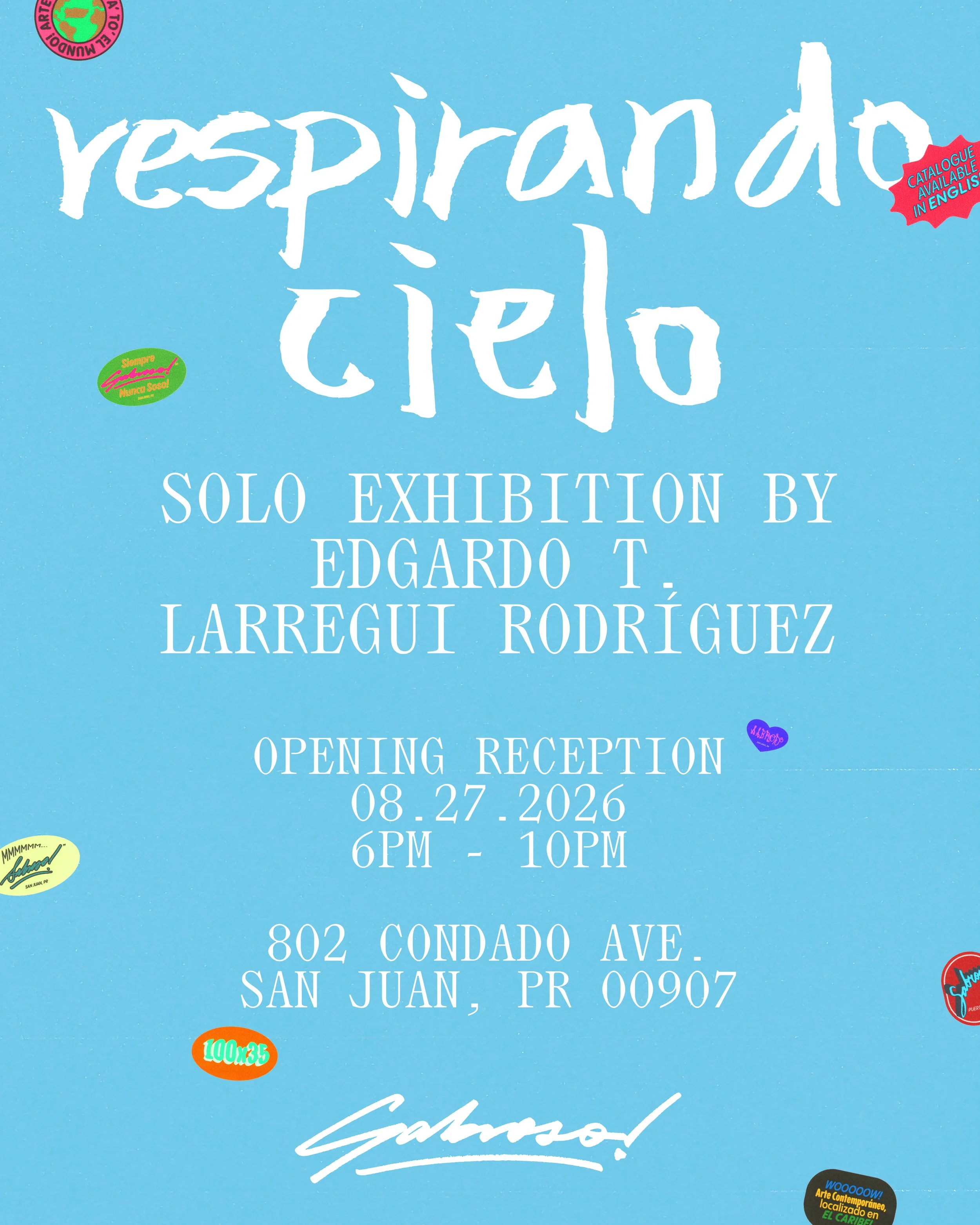
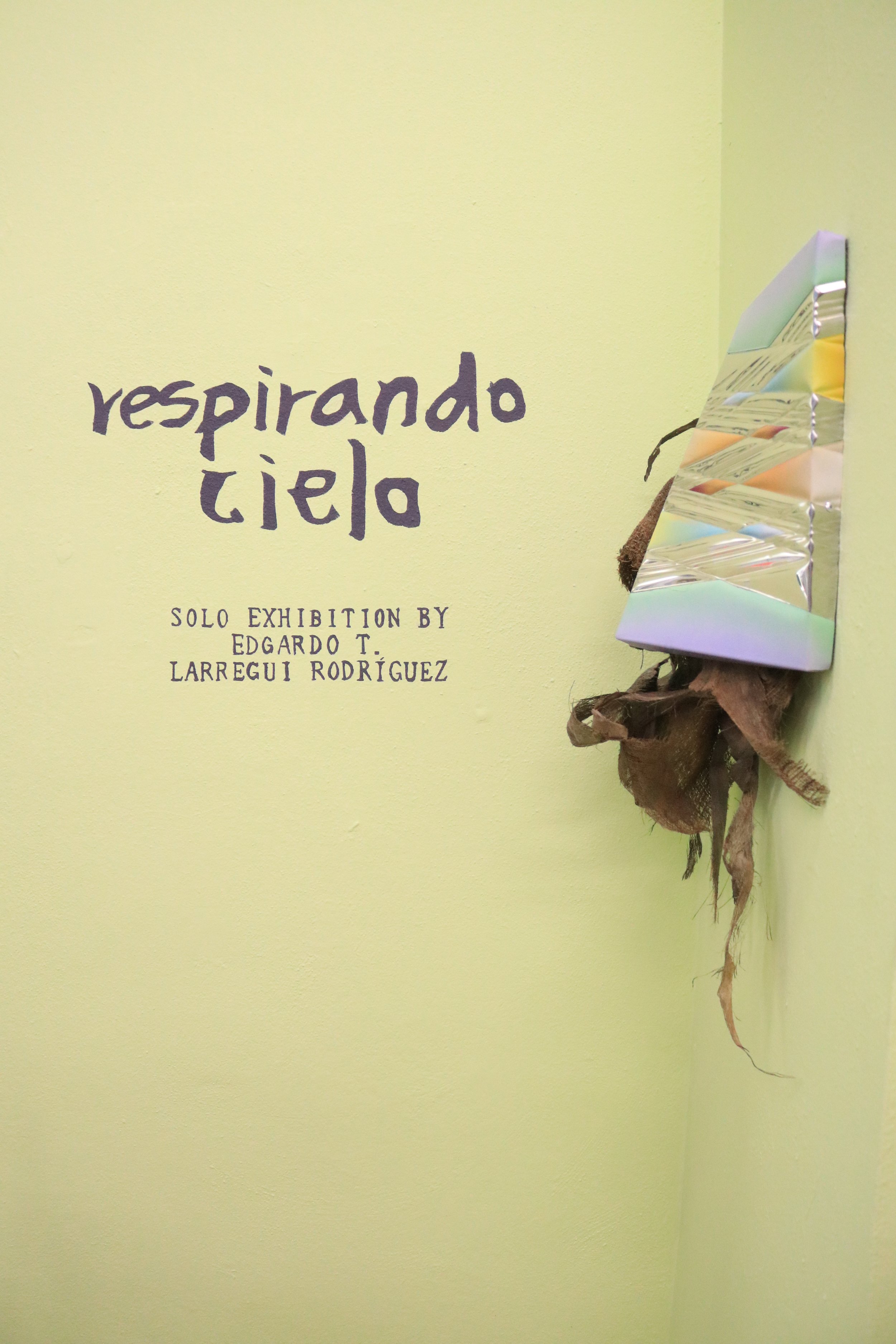
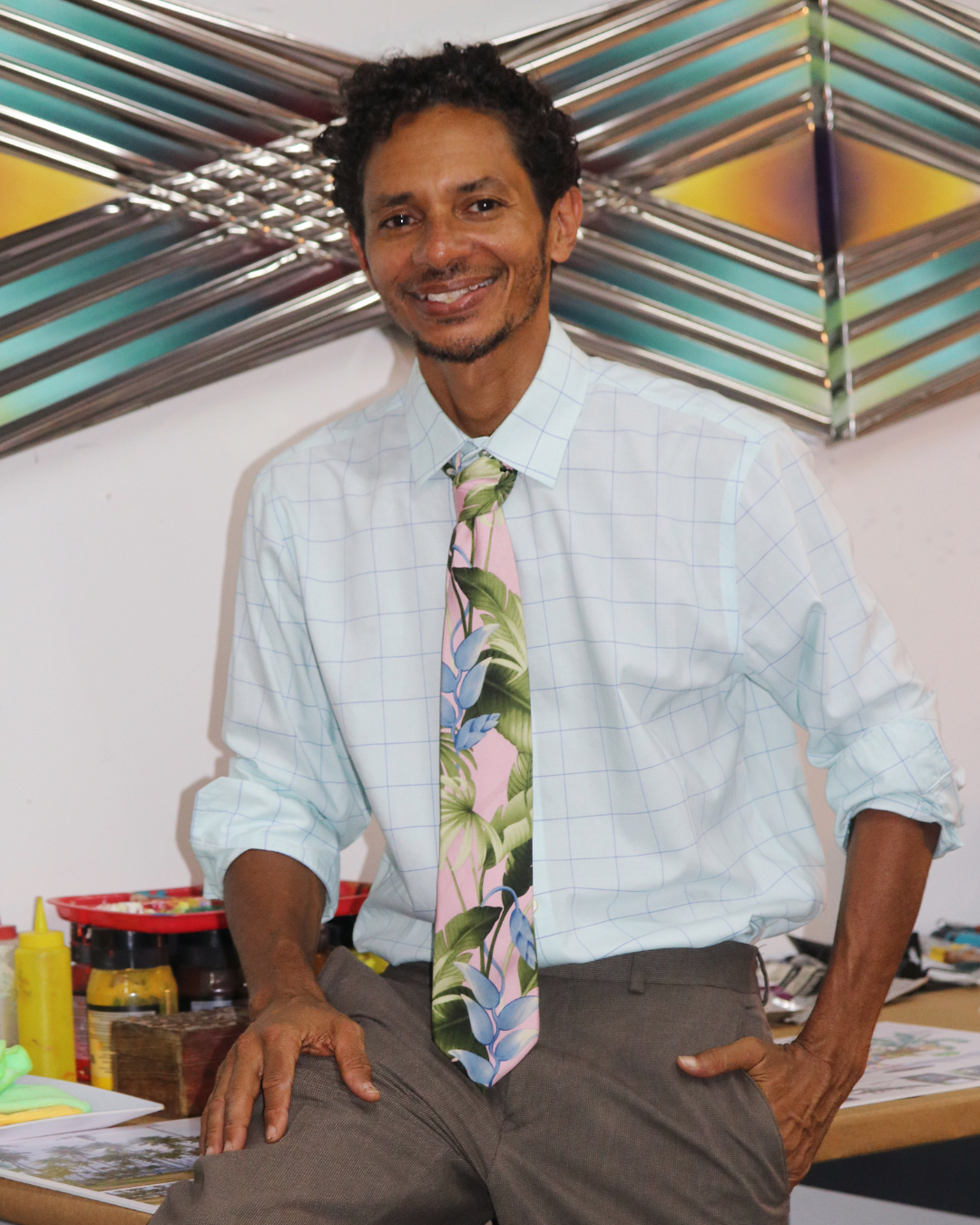
Puerto Rico — August 17, 2026 — ¡Sabroso! is honored to present Respirando Cielo (Breathing Sky), Edgardo T. Larregui Rodríguez’s first solo exhibition in 15 years. The exhibition will take place at Sabroso!, located at 802 Calle Corchado in Santurce, Puerto Rico. On view from August 27 through September 30, 2026, Respirando Cielo marks the fourth exhibition Sabroso! has presented this year. Larregui Rodríguez was recently awarded the Piña Dorada at the latest edition of the Gran Bienal Tropical 2025, an initiative founded by Pablo León de la Barra, curator of Latin American art at the Solomon R. Guggenheim Museum, alongside contemporary artist and curator Radamés “Juni” Figueroa.
In Larregui’s work, landscape is experienced. Through this exhibition, Sabroso! also seeks to reaffirm and amplify the trajectory of an artist who, at 50 years old, has more than three decades of artistic practice, creating a platform to bring his work to new audiences and position it within broader contemporary conversations, both in Puerto Rico and internationally. The exhibition reflects Sabroso!’s commitment to supporting the development and visibility of Puerto Rican artists, creating new opportunities for the circulation, dialogue, and recognition of Larregui’s work.
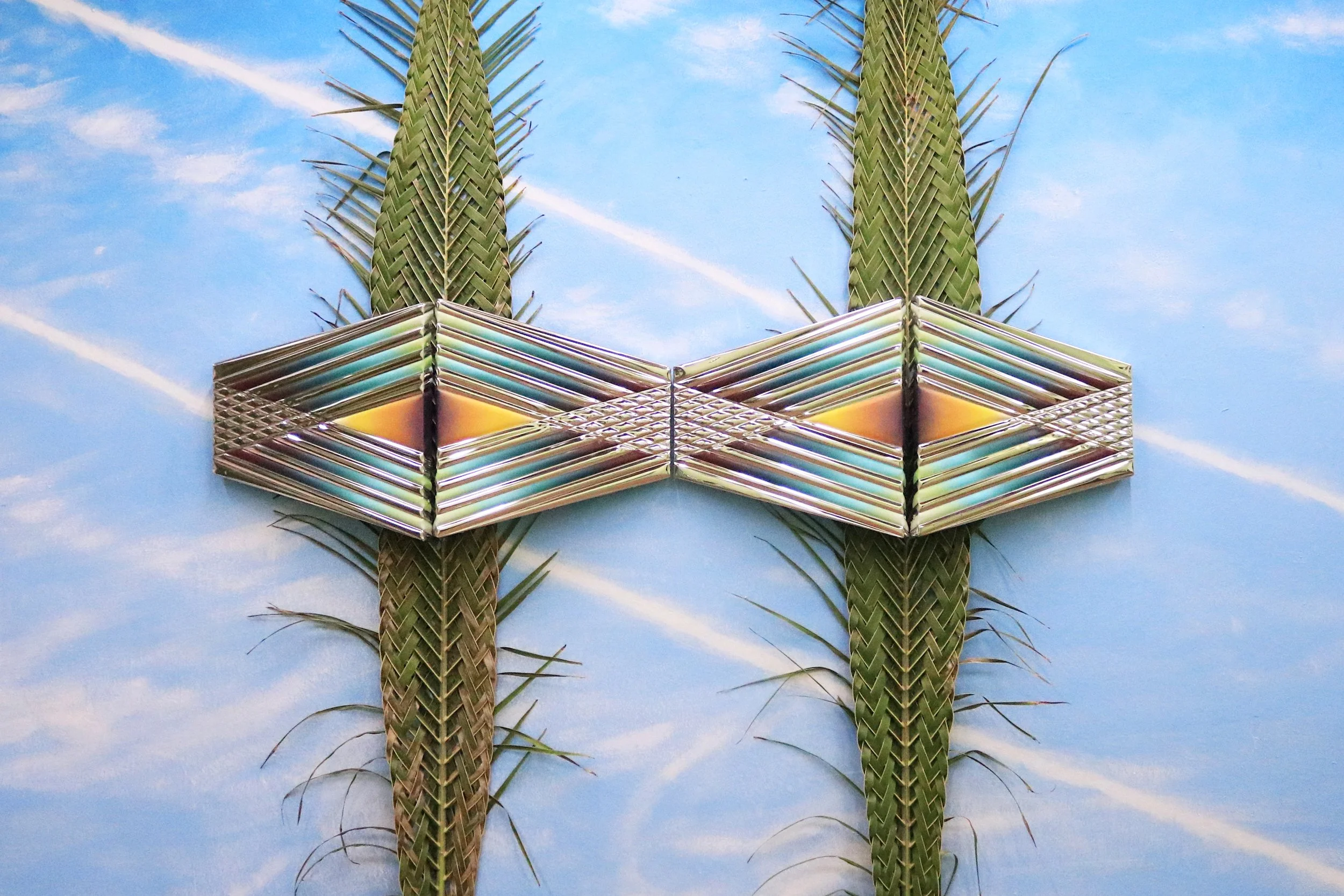
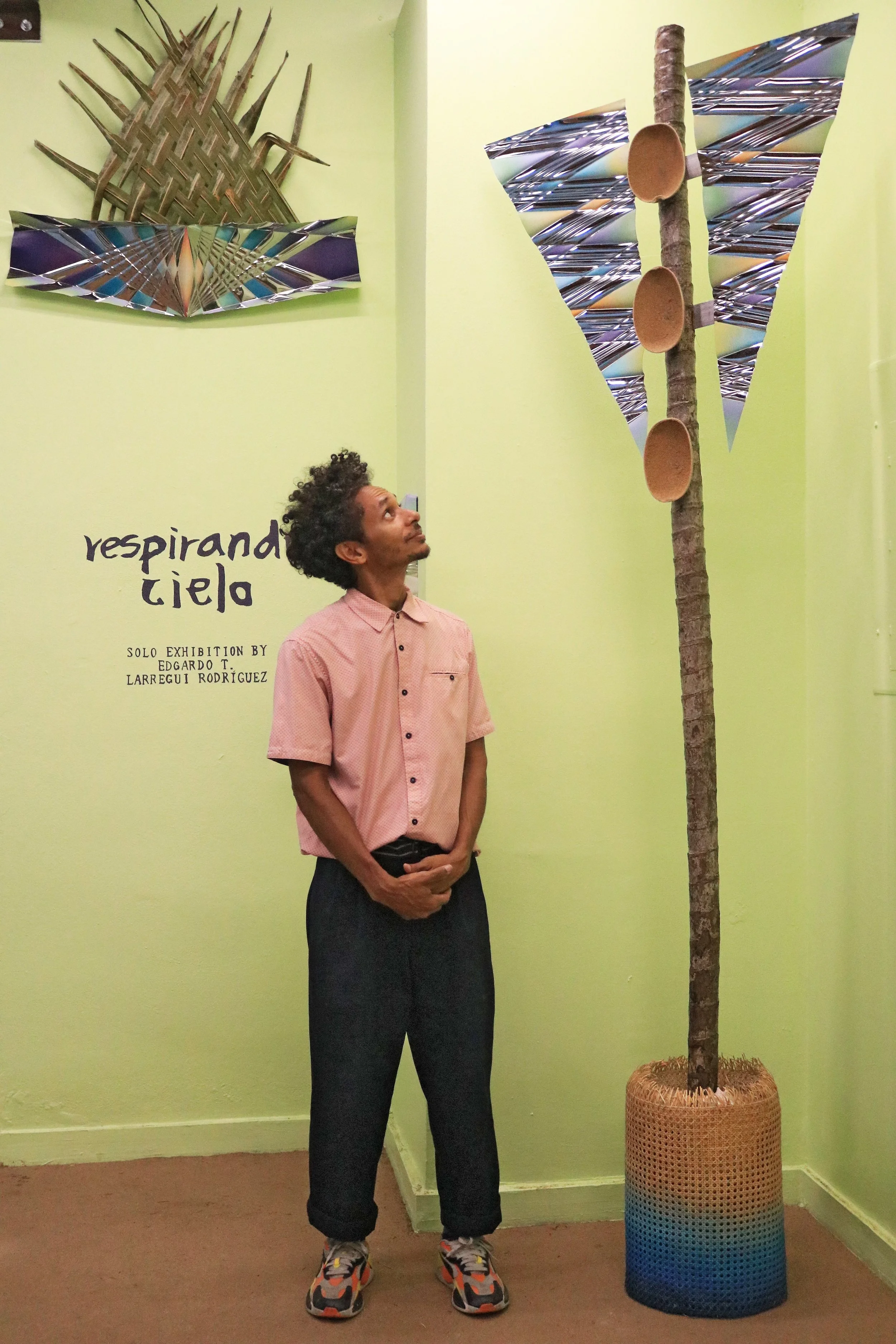
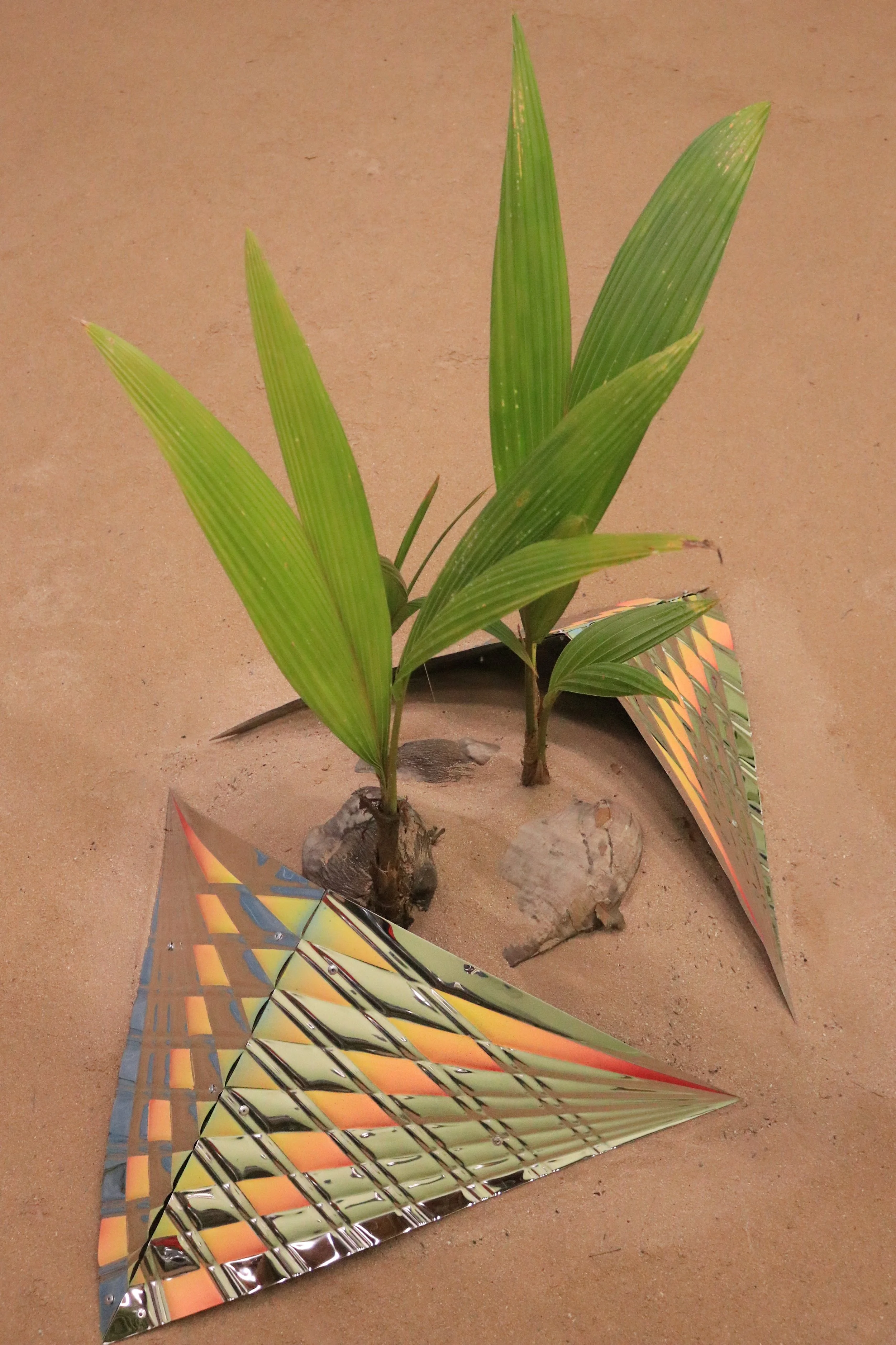
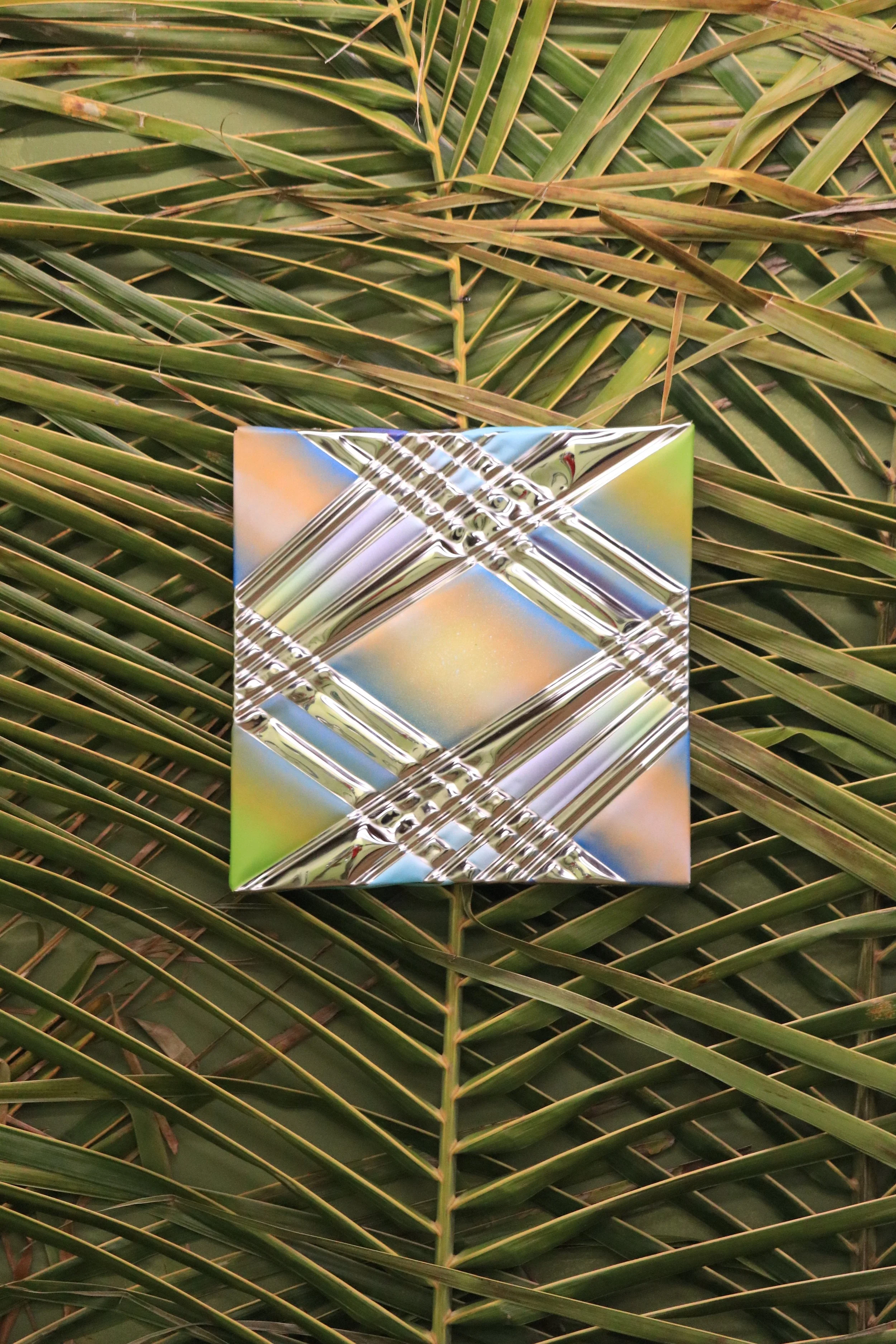
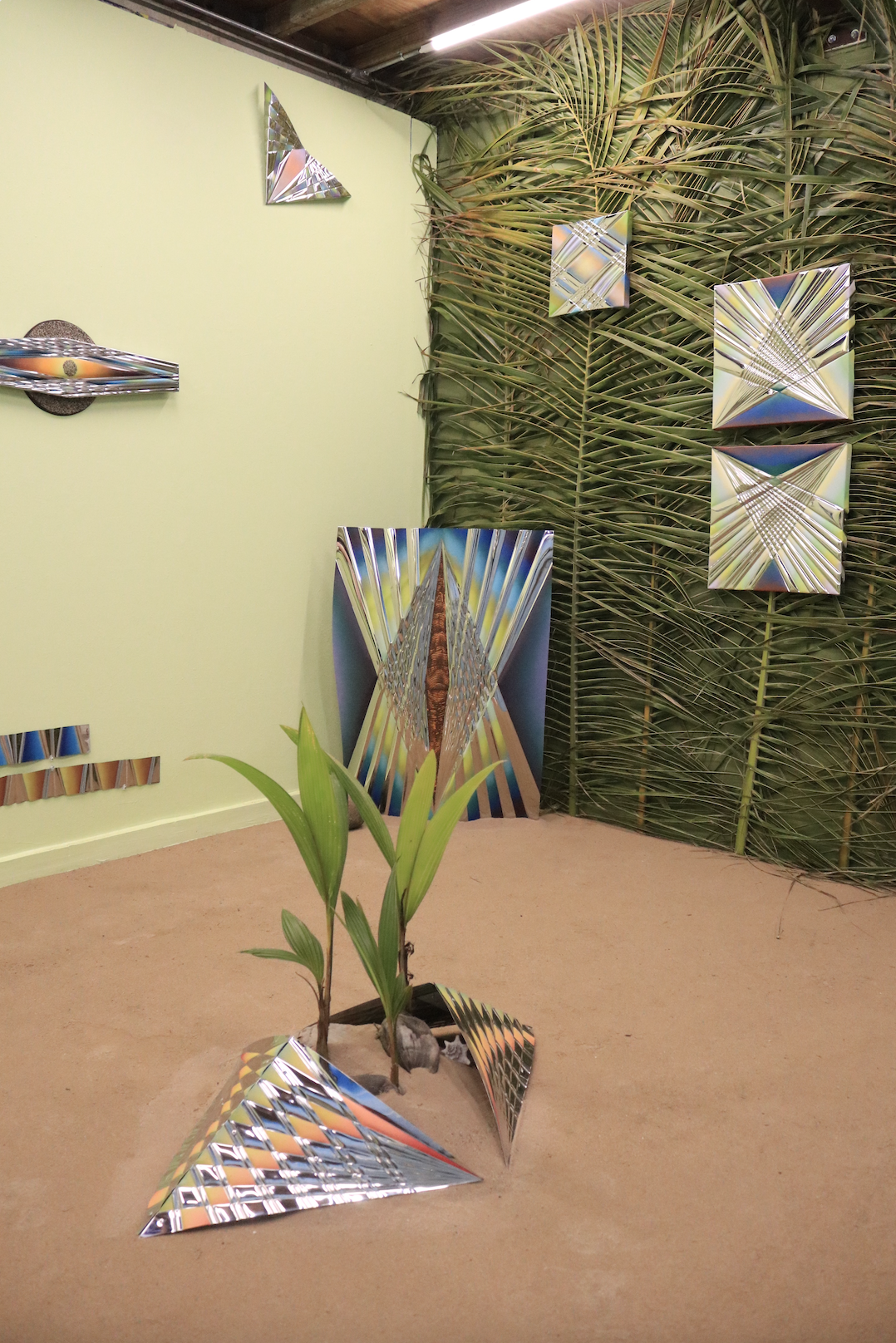
Edgardo Larregui’s recent practice proposes an expansion of the Puerto Rican landscape. His works consider the sky as territory: a landscape in constant transformation where light, atmosphere, and chemical traces in the environment become visual matter. The works begin with sheets of aluminum that the artist folds, stretches, and alters. The surface evolves from a traditional plane into an active space that captures, reflects, and transforms the viewer’s experience. In this gesture, the works establish a dialogue with Kinetic Art and Op Art, particularly with the investigations of artists such as Heinz Mack, whose practice explored light, movement, and environmental conditions as constitutive elements of the artwork. Like Mack, Larregui understands the environment not simply as a subject to be represented, but as an active agent in the visual experience: natural light, atmosphere, and the movement of the viewer continuously transform the work. In this way, the pieces produce a visual instability that depends on light, angle, and the movement of the body; color shifts, the image fragments, and the work never remains completely fixed. This investigation also finds a fundamental precedent in the teachings of Zilia Sánchez, one of the essential figures of Latin American art and Larregui’s teacher. As in Sánchez’s work, the surface acquires a physical presence and establishes an active relationship with the space surrounding it, positioning the materiality of the work between bodily experience, perception, and environment.
What constitutes a landscape today? If Miguel Pou found a particular sensitivity in the tonalities of Puerto Rico during his time, and artists such as María Cadilla, Wichi Torres, and Julio Rosado del Valle developed their own visual languages to interpret the territory, Larregui proposes a complex vision of the Puerto Rican landscape through the policies and systems that enable the silent abuse of our ecosystem. While these artists constructed their landscapes through a figurative approach, Larregui moves toward the abstraction of landscape, simplifying the sky and its transformations while focusing on light, atmosphere, and matter.
This environmental concern also emerges from the research project Chemical Traces in the Caribbean, the body of work that serves as the foundation for this exhibition. Through this research, Larregui began to question the transformations that move through the landscape without necessarily becoming visible: atmospheric pollution, the circulation of chemical agents through air, water, and soil, and the alterations produced by industrial processes. These invisible layers silently modify ecosystems and our relationship to the territory.
The metallic surfaces thus become mirror, archive, and cartography. Their fragmented reflections evoke layers, dispersions, and residues, situating the Caribbean landscape within a history marked by extractive economies, industrial processes, and colonial interventions that have transformed both the ecology of the territory and the ways in which we experience it. The beauty of the reflective surfaces coexists with a quiet sense of unease: what we contemplate is also shaped by processes that remain beyond the visible field.
Respirando Cielo brings together a body of work in which the abstract landscape is constructed through perception and experience. It is an invitation to look at what normally goes unnoticed and to reconsider the relationship between matter, atmosphere, and territory.
Respirando Cielo runs from August 27 to September 30, 2026 at Sabroso! 802 Calle Corchado, Santurce, Puerto Rico.