Sobre soñando
An exhibition by Angelique Rodríguez Vélez
October 29 – December 1st, 2026
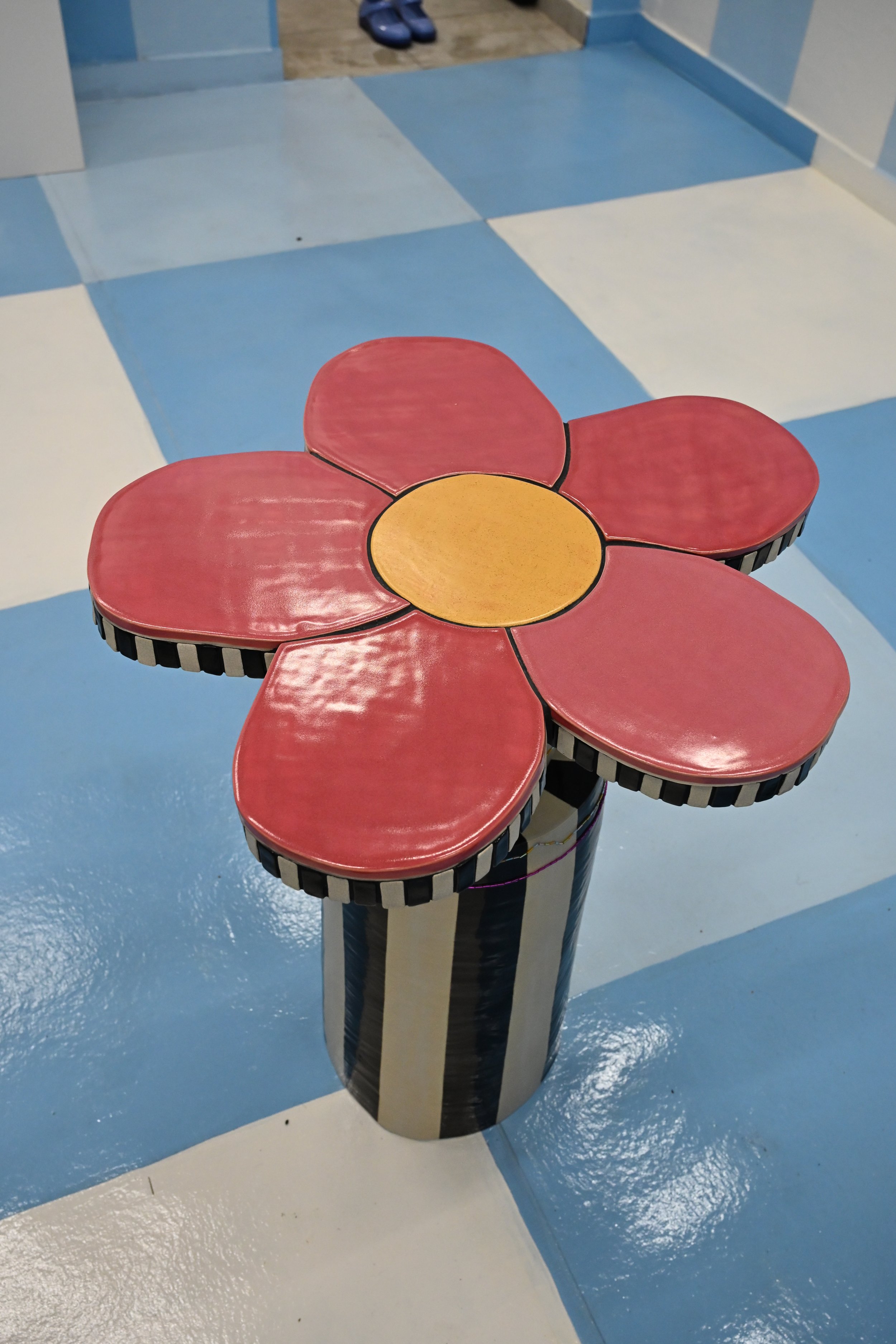
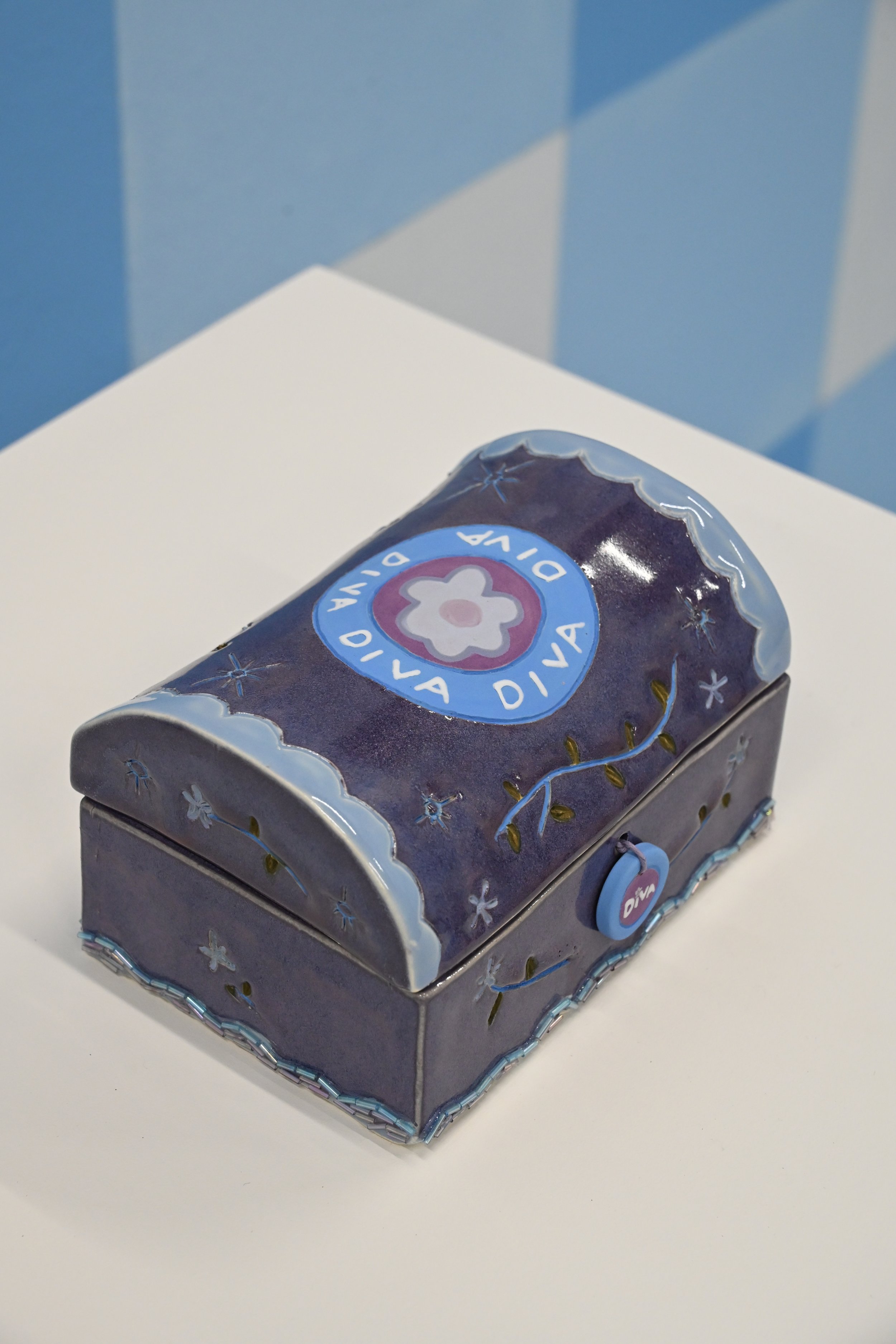
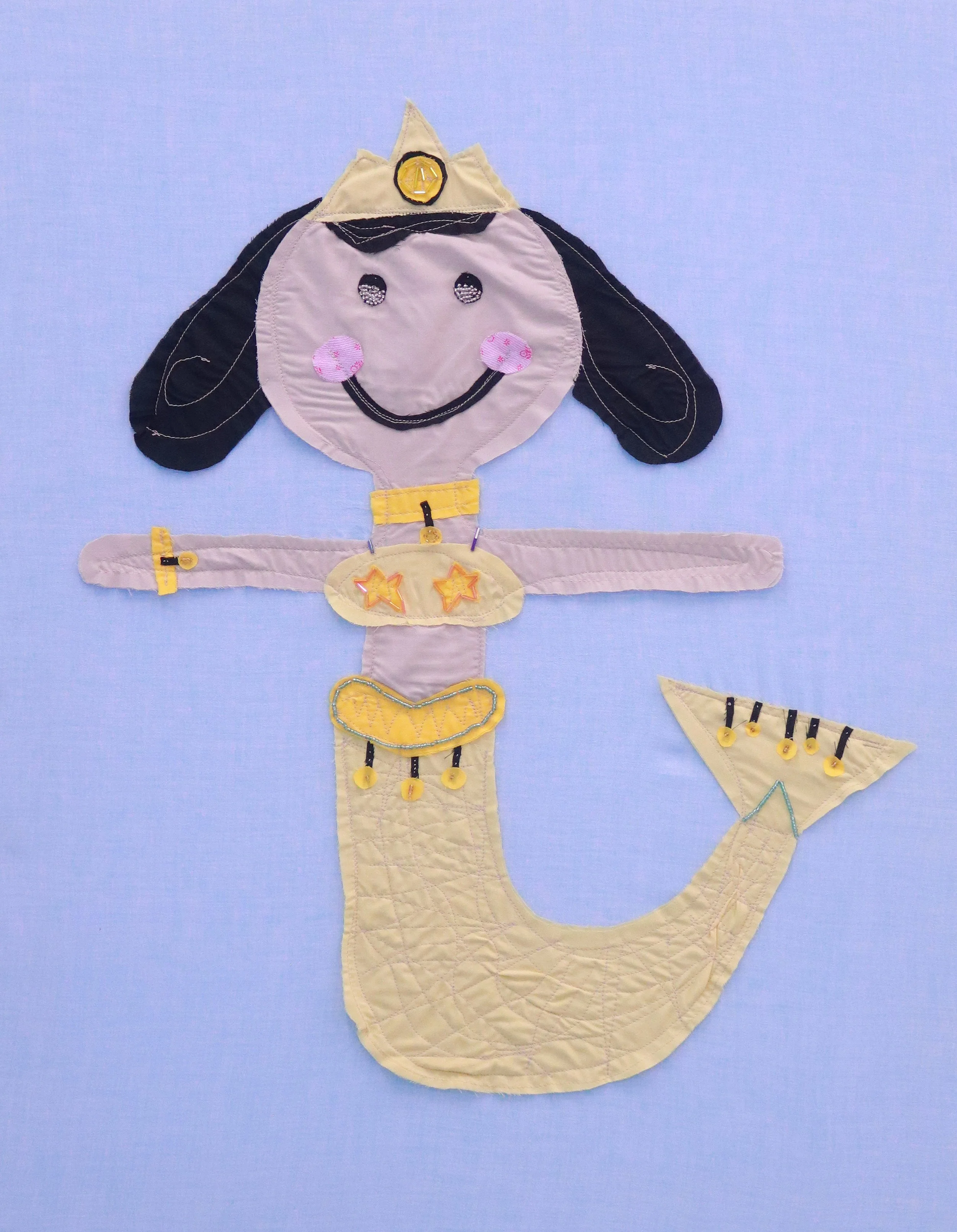
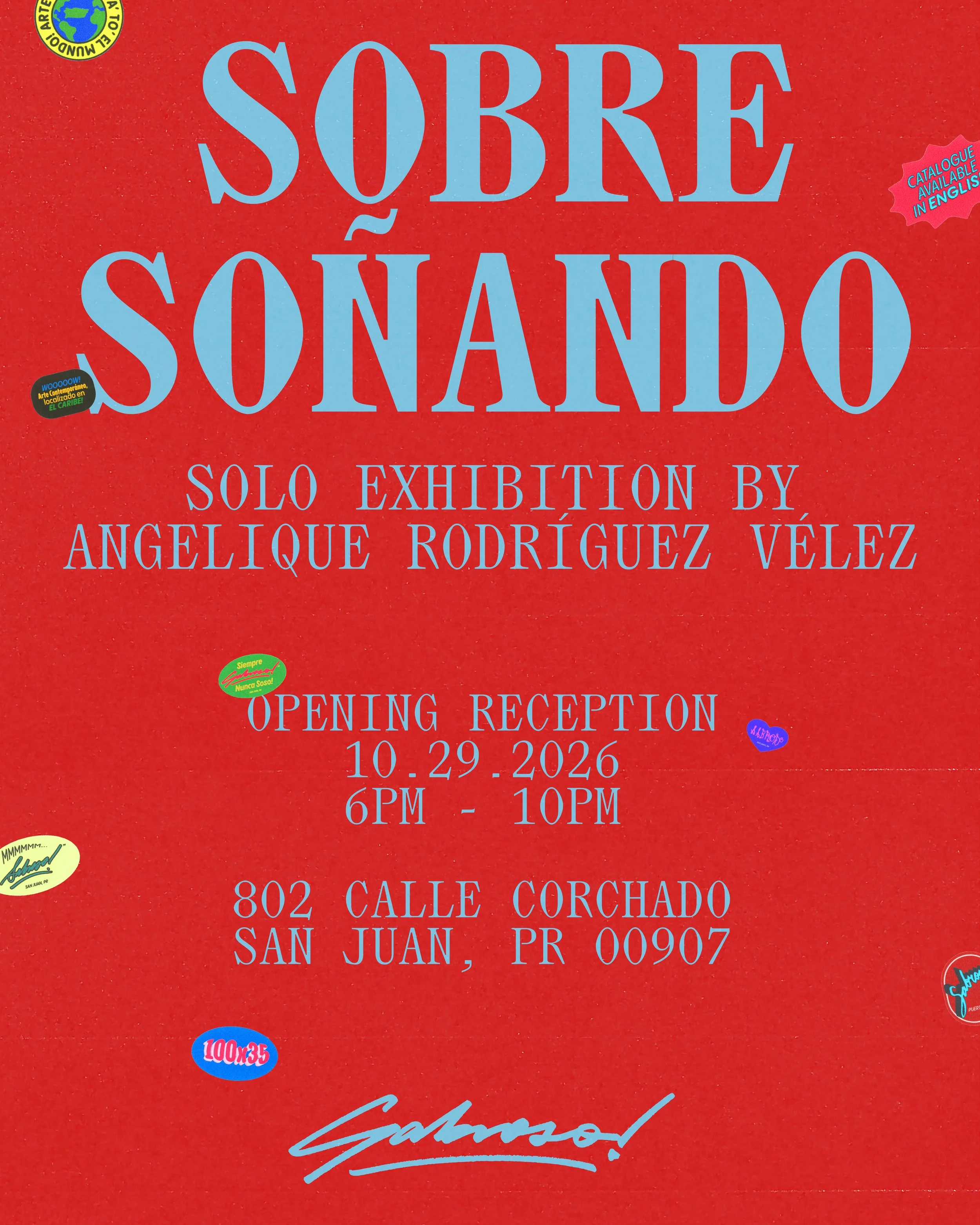


Puerto Rico — October 20, 2026 —Sabroso! Arte Contemporáneo is pleased to present Sobre soñando, the first solo exhibition by Angelique Rodríguez Vélez. The exhibition will take place at Sabroso!, located at 802 Calle Corchado in Santurce, Puerto Rico. On view from October 29 through December 1, 2026, Sobre soñando marks the fifth solo exhibition presented by Sabroso! this year.
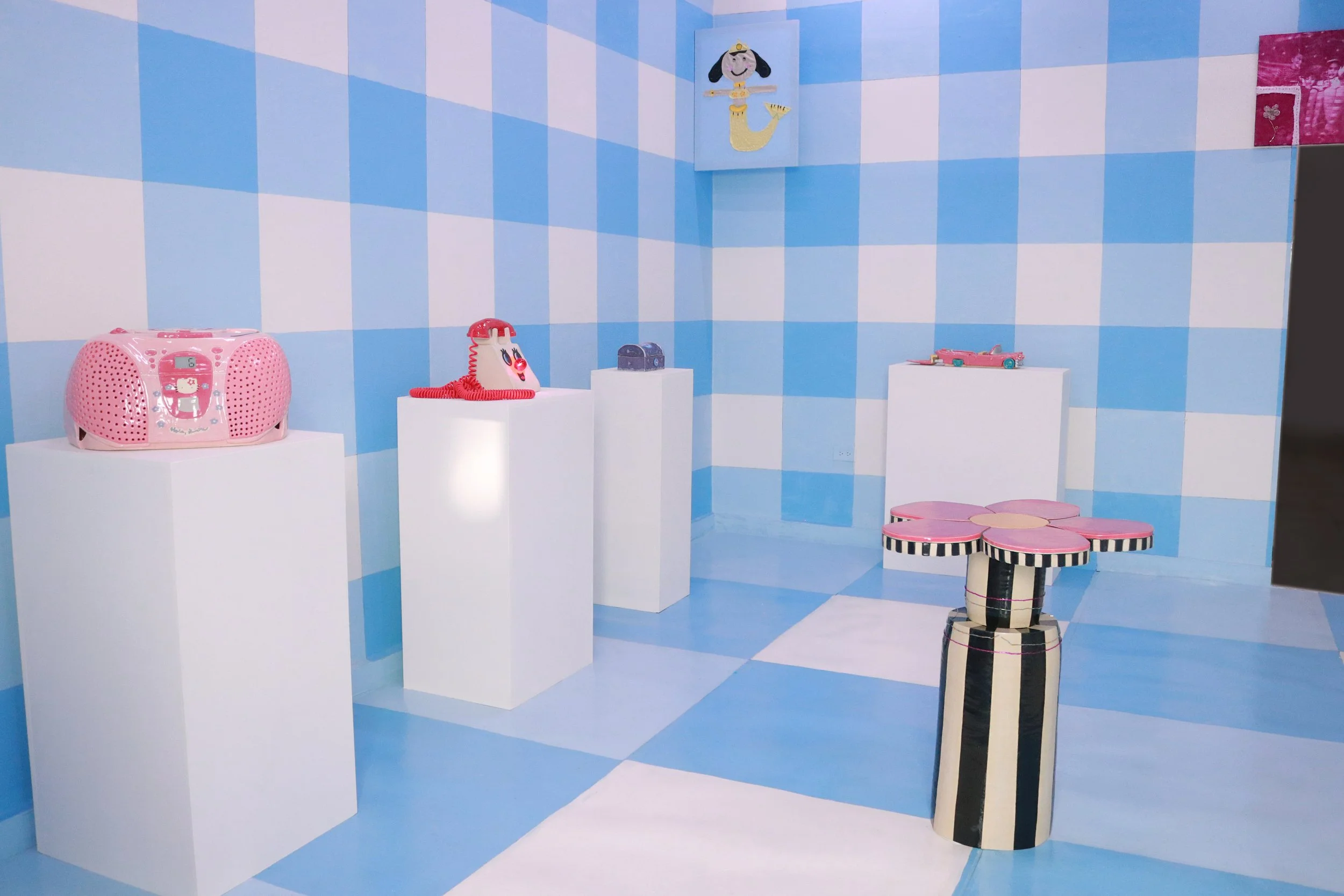
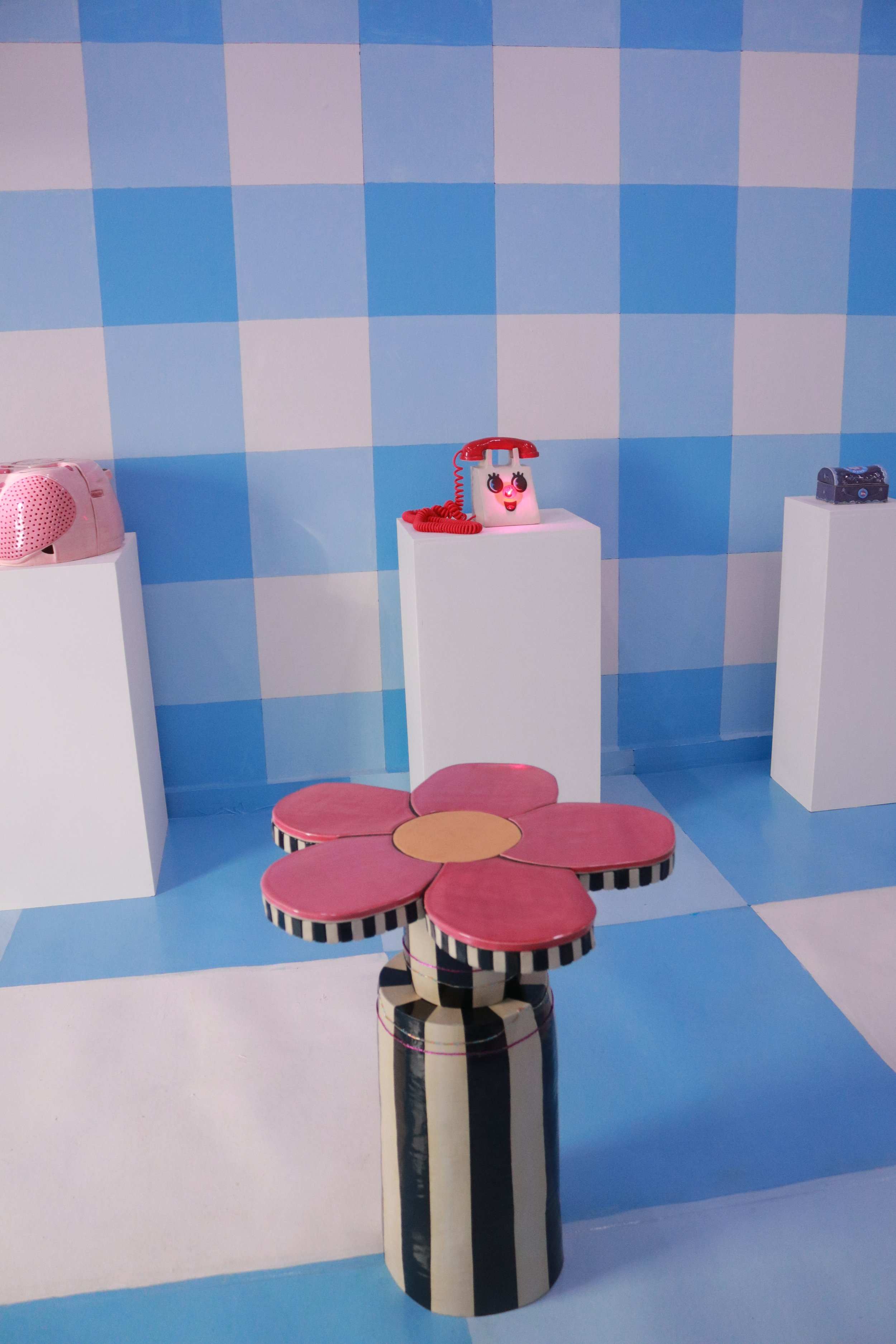
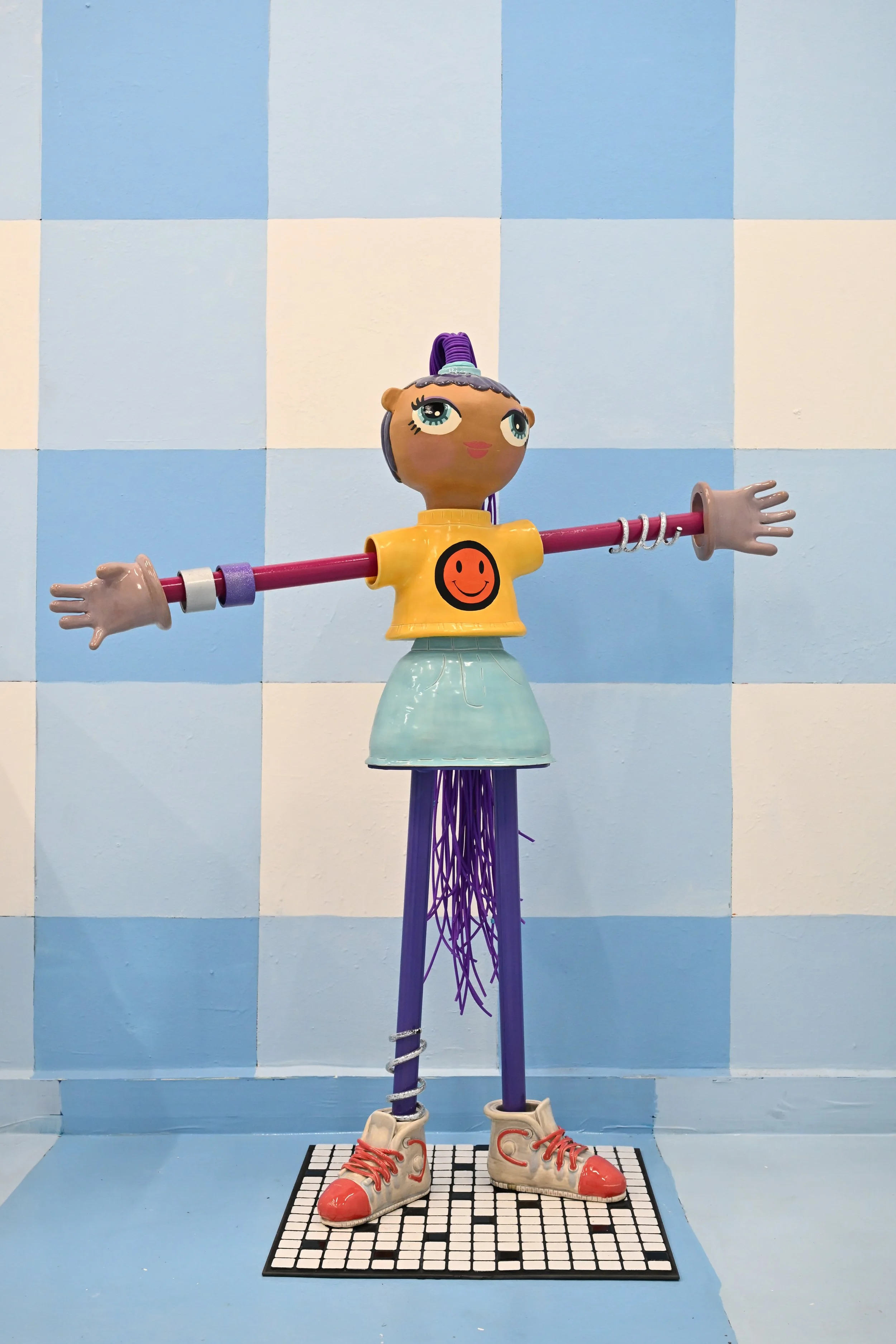
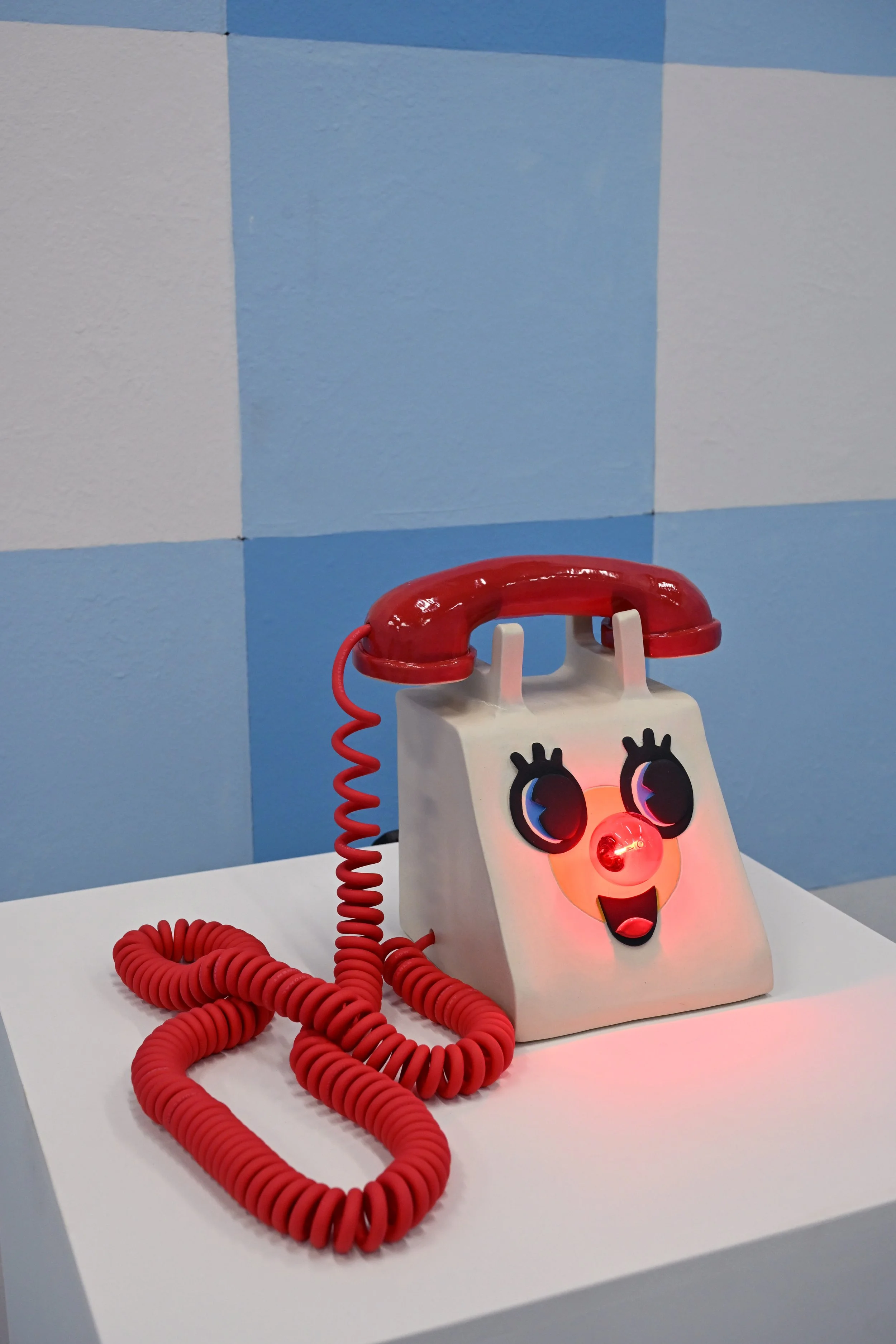
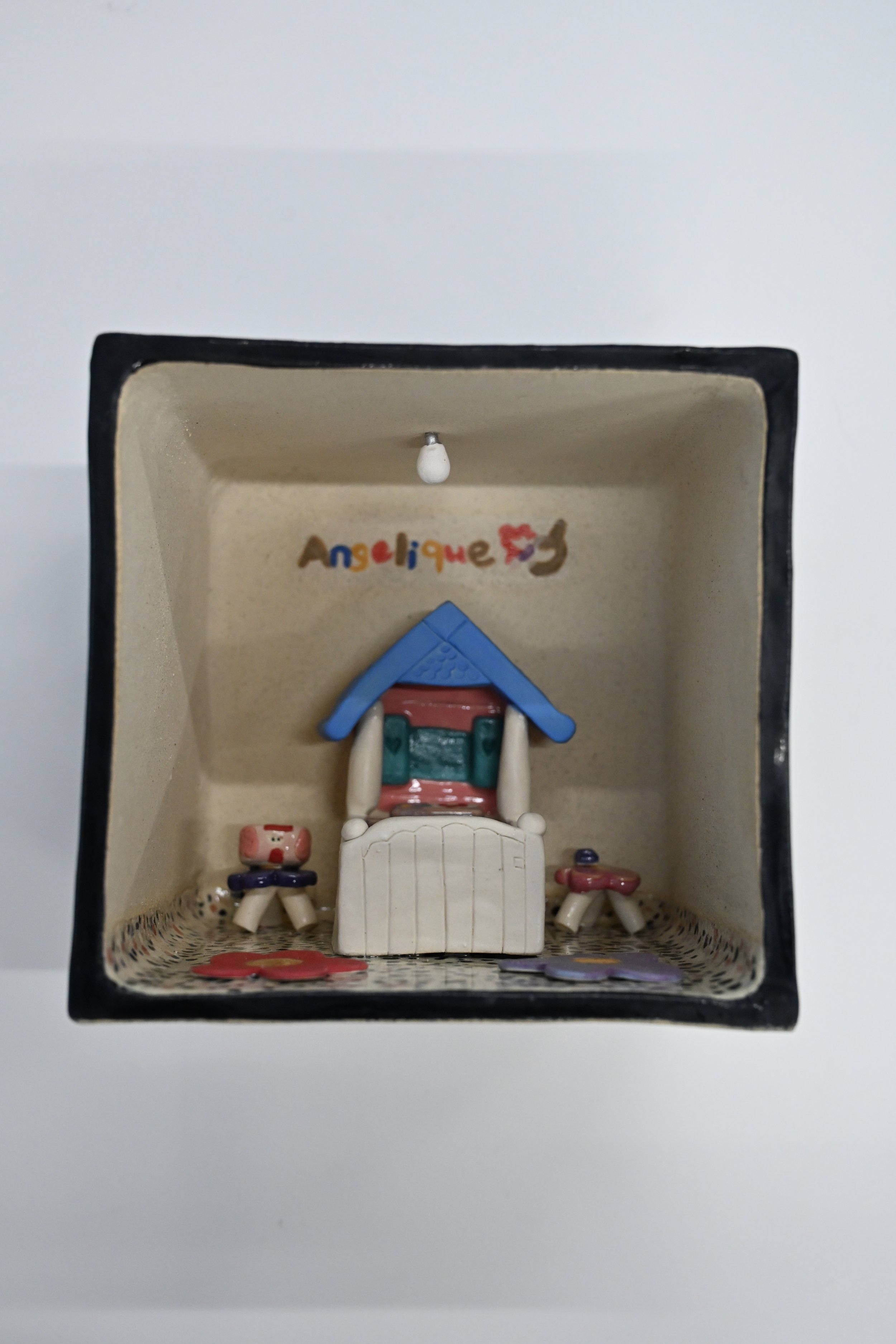
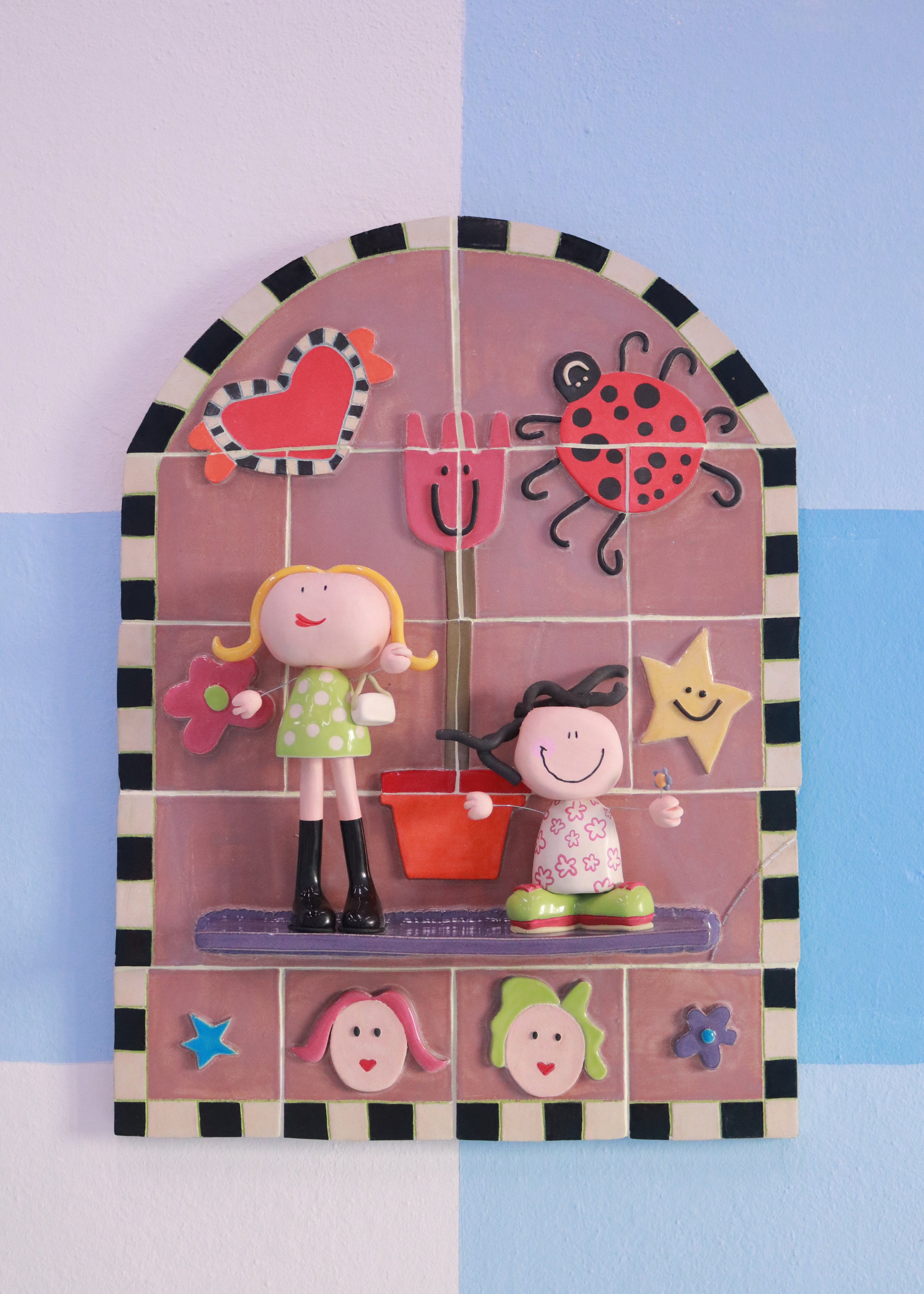
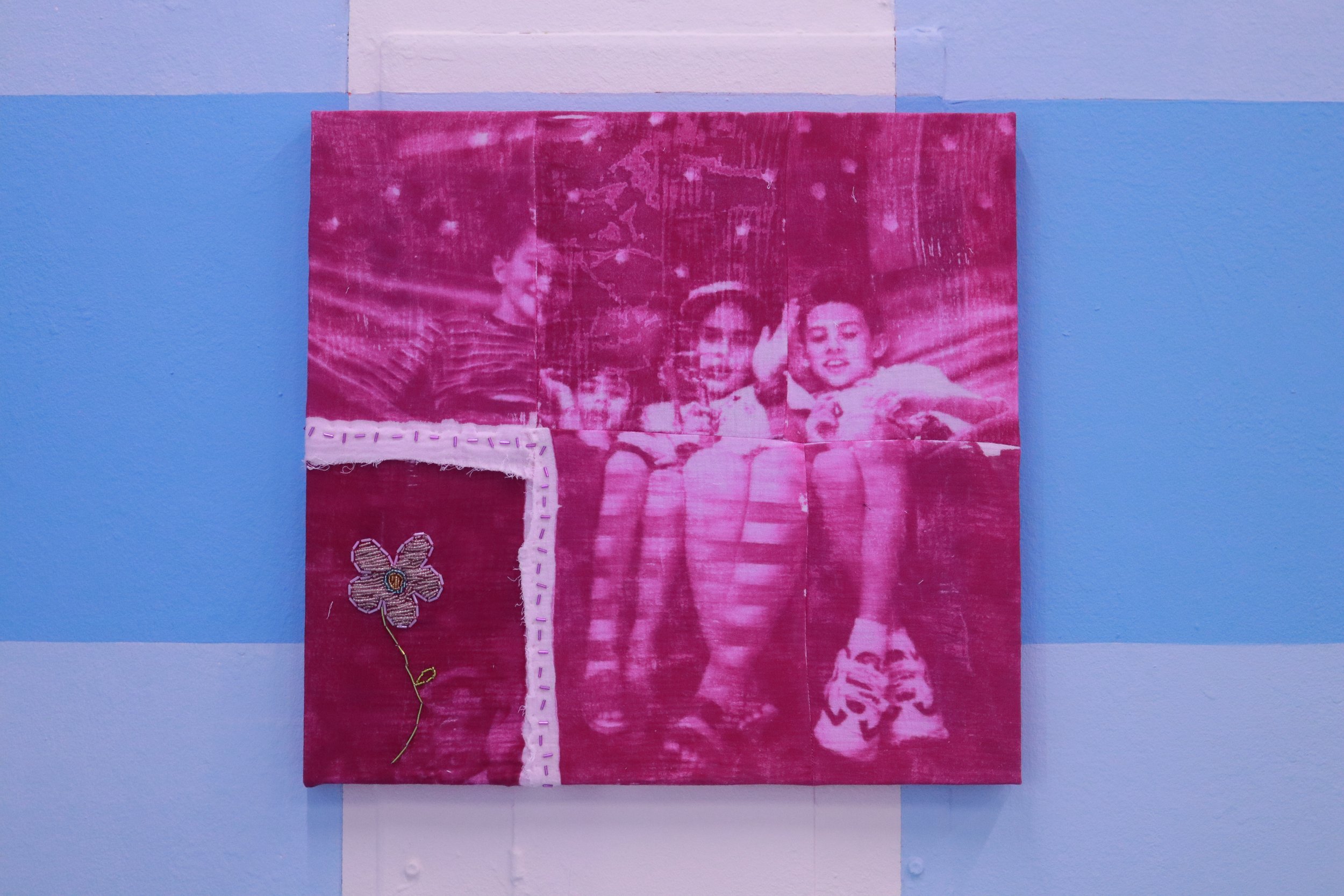
In Sobre soñando, Angelique Rodríguez Vélez transforms objects from her childhood into a means of exploring the contradictions of nostalgia, between the desire to return to the past and the impossibility of recovering it. Through thirteen large-scale ceramic works, the artist reconstructs a universe of objects, colors, and characters that shaped her early years in Puerto Rico. The exhibition is a celebration of popular culture, while beneath its playful imagery lies an intimate reflection on the passage of time, the experiences that transform us, and the need to find security in what we remember.
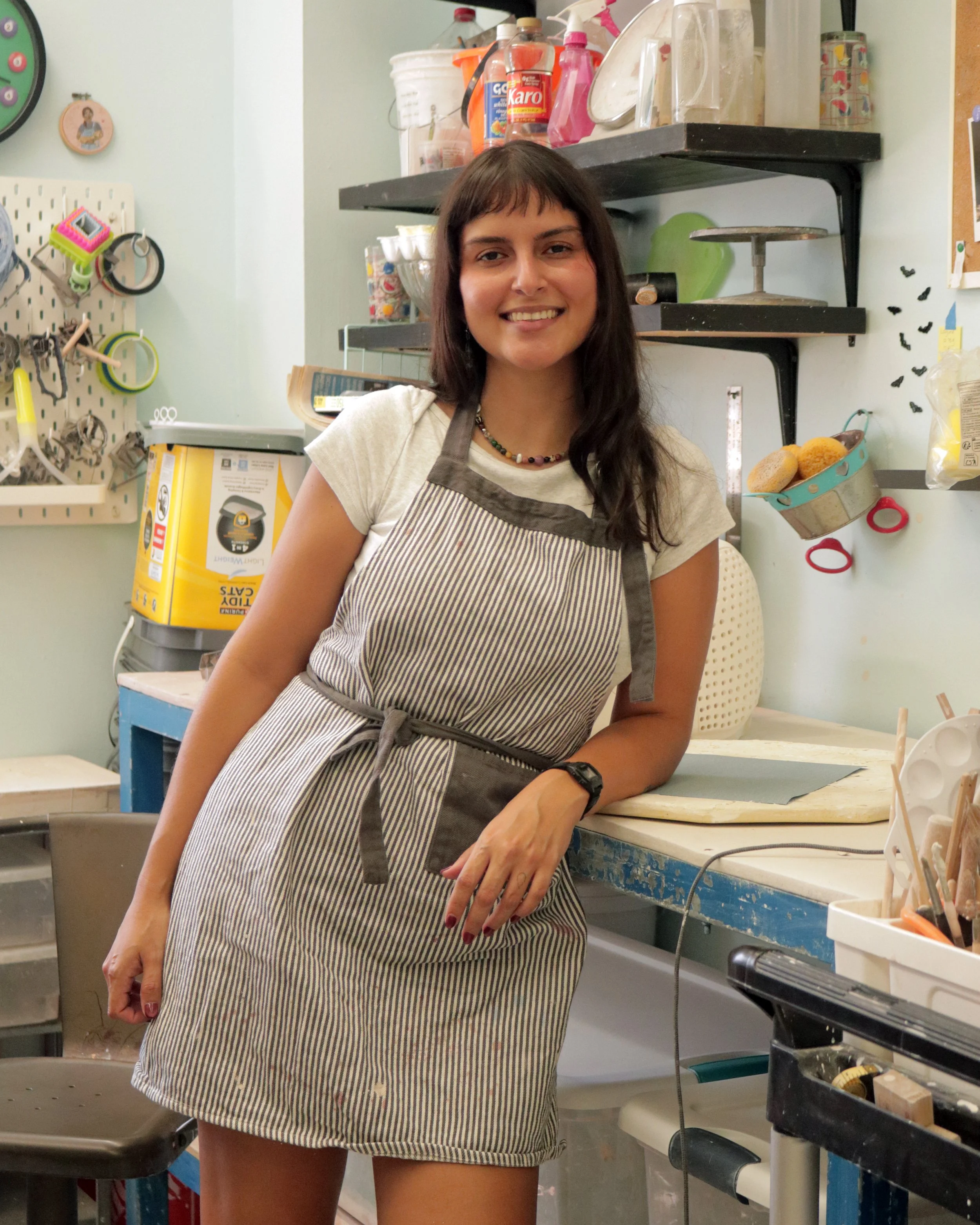
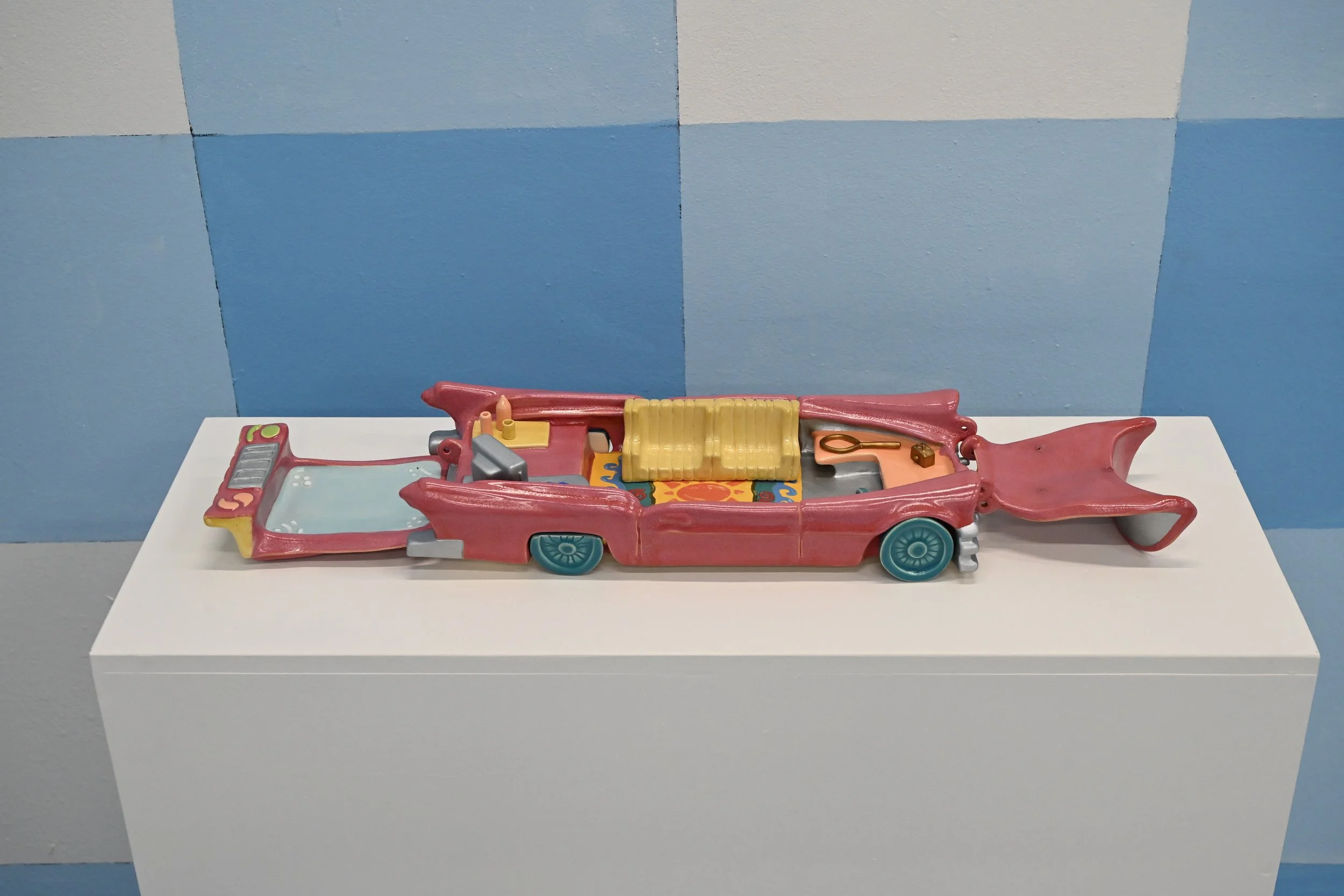
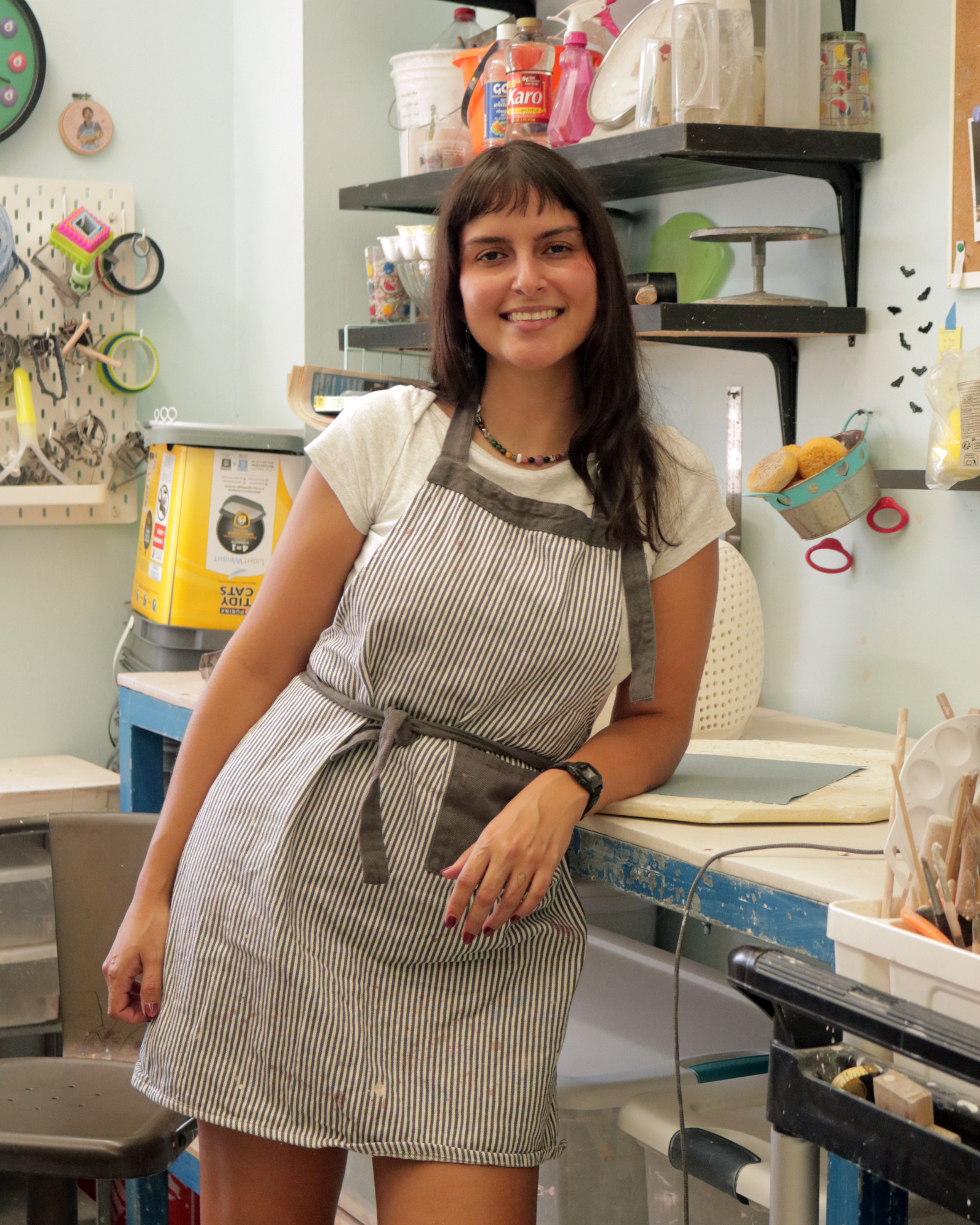
For the past ten years, Rodríguez Vélez has developed her practice under the name Artificio, creating works that move between the utilitarian, the decorative, and the sculptural. Her production has been characterized by small, accessible objects designed to become part of everyday life. In her first solo exhibition, Rodríguez Vélez presents a body of work she has been envisioning for approximately six years, marking a new chapter in her ceramic practice. By reproducing childhood toys and objects on a larger scale, she transforms their physical presence and the way we perceive them. One example is her reinterpretation of a Polly Pocket car, a toy originally measuring no more than three inches, now enlarged to fifteen inches long, six inches wide, and five inches high. The sculpture retains its compartments, details, and opening mechanisms, preserving the features that made the original toy interactive. This shift in scale not only gives the object a new sculptural presence but also makes visible the significance it continues to hold in the artist's memory.
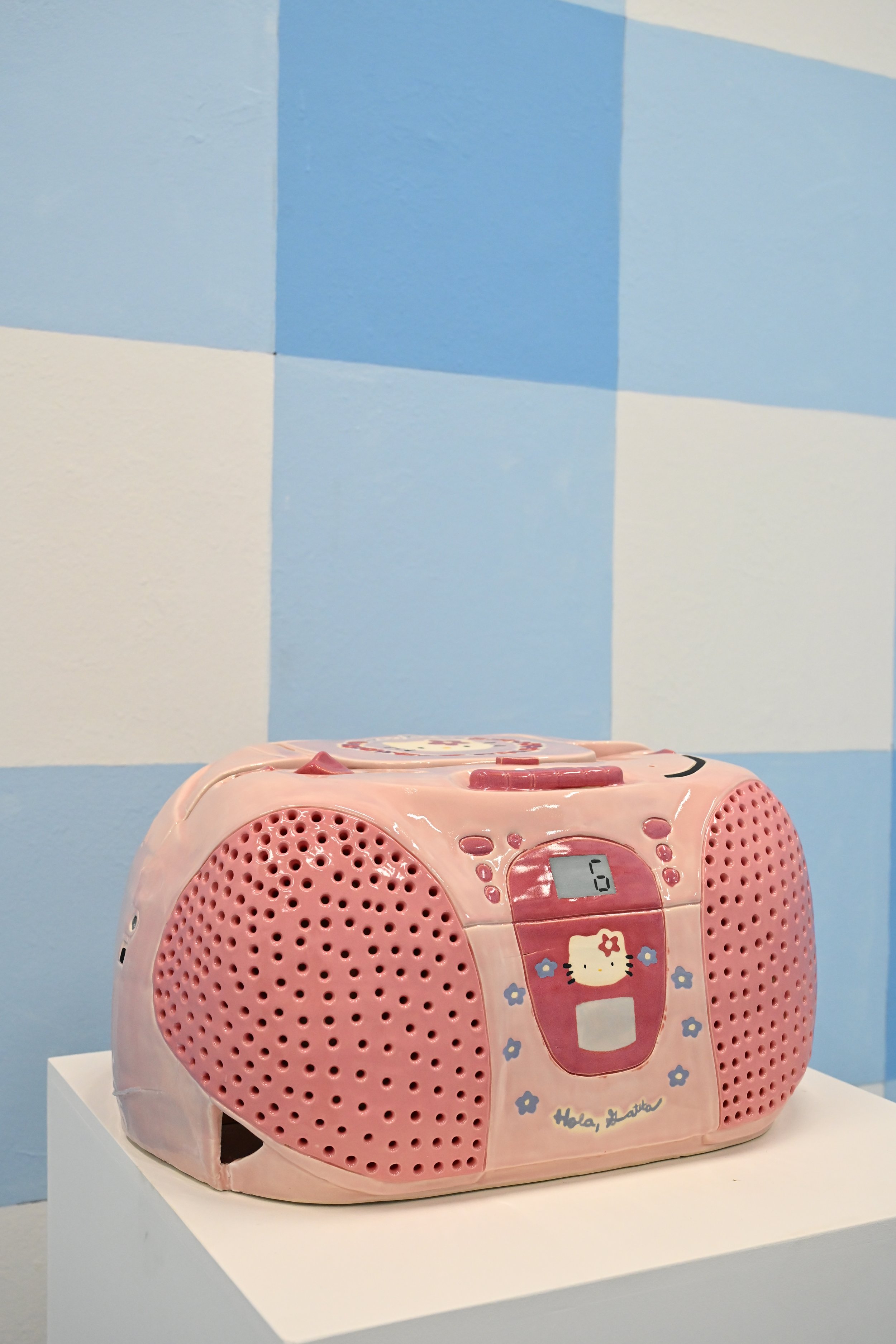
The exhibition recreates the atmosphere of a child's bedroom, a space associated with both imagination and protection. Rodríguez Vélez grew up in a rural area where opportunities for socializing outside family gatherings were limited. Her bedroom became a place of entertainment, isolation, and fantasy. References to Betty Spaghetty, Hello Kitty, and The Powerpuff Girls, among others, coexist with more intimate experiences, including playing mermaids with her sister and cousins and afternoons spent at her grandparents' home. Together, these elements reconstruct a familiar environment that the artist remembers as one of her last spaces of tranquility, before taking on responsibilities that led her to leave behind the innocence of childhood prematurely.
Popular culture from the early 2000s forms much of the exhibition's visual language. The toys, music, and fashion that accompanied Rodríguez Vélez throughout her childhood connect her personal experiences with those of an entire generation. The Hello Kitty Radio, for example, recalls the songs of her childhood that she continues to listen to today, while Betty Spaghetty revisits her interest in fashion and bright colors, an aesthetic sensibility she rejected during adolescence and has now reclaimed in her practice. Although these objects belong to a globalized consumer culture, the artist reinterprets them through her own memories, combining their aesthetics with influences from Bauhaus design, particularly geometry, blocks of color, and the relationship between form and function. References to the Memphis Group, also known as Memphis Milano, an Italian design and architecture collective founded by Ettore Sottsass in the 1980s, can also be identified in her overall practice.
Sobre soñando offers a reconsideration of childhood from an adult perspective, acknowledging both the joys and difficulties that defined it. By transforming toys and everyday objects into sculptures, Rodríguez Vélez gives them a new presence without separating them from their personal histories. The exhibition considers how memories can become spaces of refuge and how, through the objects we preserve in our minds, we find ways to reconnect with who we once were.